

Breakups and family conflicts can be emotionally exhausting. In a perfect world, we could simply “feel our feelings,” focus on healing, and move forward while wishing the other person well. Unfortunately, reality often looks different. Emotions run high, boundaries get blurred or crossed, and in some cases, situations can escalate into harassment, stalking, or even physical violence. If you have recently ended an abusive relationship, are setting limits with a toxic family member, or notice that your ex keeps showing up where you are, your number one priority should always be your safety. One possible step to help ensure that safety is understanding Civil Protection Orders (CPO).
What is a Civil Protection Order?
A Civil Protection Order (CPO) is a legal court order designed to protect individuals from being abused, threatened, harassed, or stalked (the petitioner). Once issued, it legally restricts the person named in the order (often called the respondent) from contacting or approaching the petitioner — whether that means staying away from your home, workplace, school, or even refraining from digital or indirect contact.
The idea of a protection order may never cross your mind — until the moment you truly need it. Many people hesitate to take legal action, fearing that it might seem “too serious” or “too permanent.” CPOs exist precisely to provide a layer of legal protection and peace of mind in distressing or unsafe circumstances.
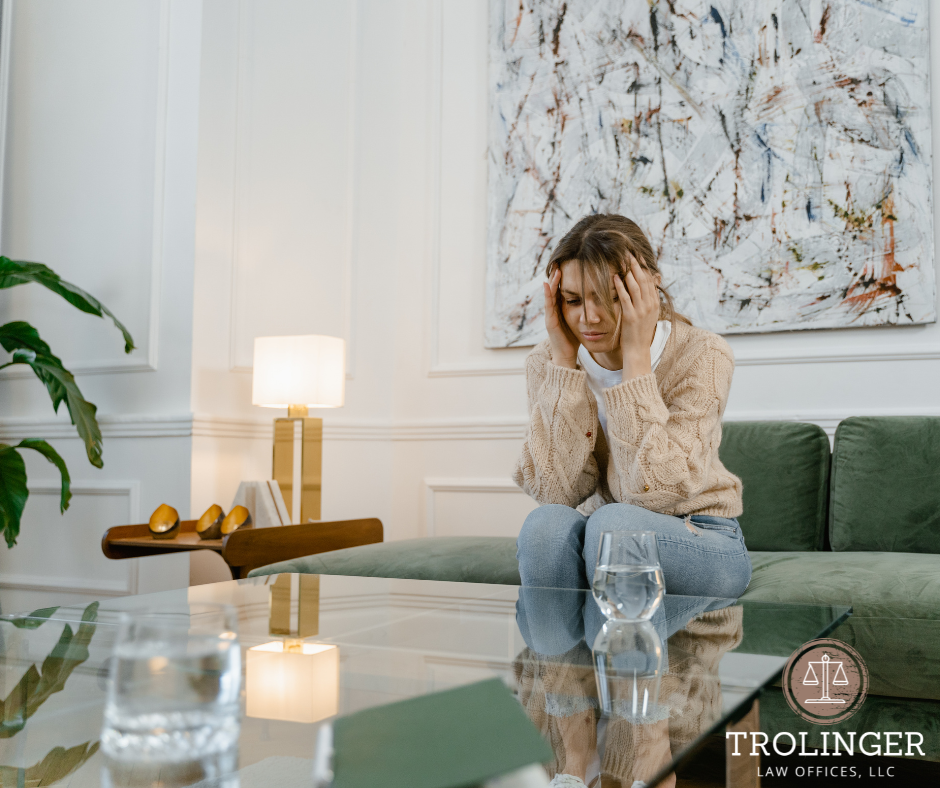
Why would I need a Civil Protection Order?
Unfortunately, domestic and intimate partner violence remain widespread issues in the United States. In 2025, an estimated 10 million people in the U.S. experienced domestic violence in a relationship. Studies show that 41% of women report experiencing physical abuse from a partner at some point in their lives.
If you find yourself in a situation where you fear for your safety — especially during or after a breakup, divorce, or family conflict — knowing your legal options can make all the difference. A Civil Protection Order can help you set firm boundaries and rebuild your life on your terms.
Is a Civil Protection Order different from a Restraining Order?
While these terms are often used interchangeably, a CPO involves filing in domestic relations or common pleas court to gain protection against domestic violence and other threatening behaviors. This does not necessarily mean that you must press criminal charges or that the perpetrator has been criminally convicted. Civil Protection Orders typically last longer, as criminal protection orders only last as long as the charges are pending.
How do I get a CPO?
- File a petition in Domestic Relations or Common Pleas Court in your county.
- Attend an Ex Parte Hearing. This hearing, often on the same day the petition is filed, involves the petitioner asking the court for protection order, without the responded present.
- Prepare for and appear at an evidentiary hearing.This full hearing is scheduled to both parties to present evidence and asks the court to rule on the CPO.
Other considerations:
- Document incidents — keep a record of any threatening messages, unwanted contact, damaged property, or harmful behavior.
- Reach out for help — local domestic violence shelters, victim advocates, and legal aid organizations can assist you with resources and paperwork.
- Hire an Attorney – Facing the other party in court is often intimidating. Our team of attorneys are all we versed and able to help you seek the safety and peace you deserve. Click the link to schedule an intake call to set up a consultation with one of our attorneys Schedule a 15 minute intake call.
What happens if a CPO is violated?
Ohio Revised Code §2919.27 states that no person shall recklessly violate the terms of a protection order issued by an Ohio court or another state’s court. This includes contact of any type, showing up at prohibited locations, or committing any criminal acts against the petitioner.
CPO violations are taken seriously in Ohio. Police can arrest the respondent immediately for any violation, and additional monitoring or court restrictions may be imposed. Penalties range from a first-degree misdemeanor (up to six months in jail) to a third-degree felony (years in prison), depending on the offender’s history and circumstances.
What do I do if someone has gotten a CPO against me?
- When you are served with a CPO, read every line of the order carefully.
- Under no circumstances should you contact the petitioner.
- Comply with every condition of the order.
- Consult with an attorney. The attorneys at Trolinger Law Offices can assist you in preparing evidence, presenting it in court, and ensuring that you are following all property and custody rules that are impacted by the order.
Final Thoughts
Navigating the aftermath of a painful relationship or family dispute can be overwhelming, but protecting yourself is always the right choice. A Civil Protection Order can serve as both a legal safeguard and a powerful statement: you deserve safety, peace, and respect. You are not alone in this. Taking steps to protect yourself is not overreacting — it’s asserting your right to live without fear.
If you or someone you know may be at risk, do not hesitate to reach out for help. The National Domestic Violence Hotline is available 24/7 at 1-800-799-SAFE (7233) or via chat at thehotline.org.